Blog
Material Basics
How travertine forms, how it compares to marble and limestone, and which one belongs in the room you are actually building. The choice gets made before anything is ordered, and it is the choice most often made on a photograph.

Why Travertine Has Holes, and What Filling Actually Does
The voids are not defects and not a manufacturing choice. They are how the stone formed, they decide how it moves, and they are the reason filled and unfilled travertine are effectively two different materials.
1 min read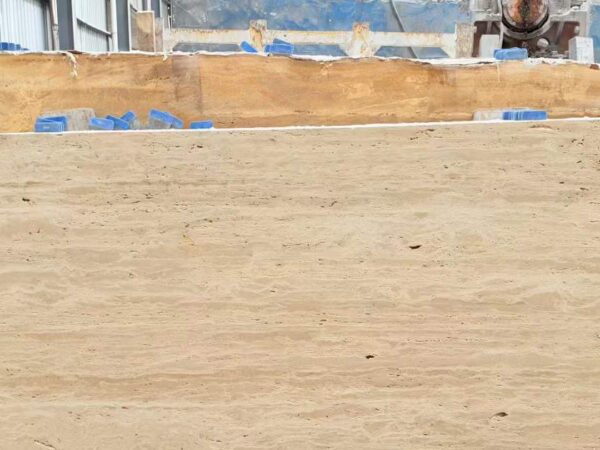
Travertine, Marble or Limestone: Choosing Before You Order
All three are calcium carbonate. That shared geology is why they look related and behave completely differently once cut into a floor or a wall. Here is the decision, in the order it actually has to be made.
5 min read